







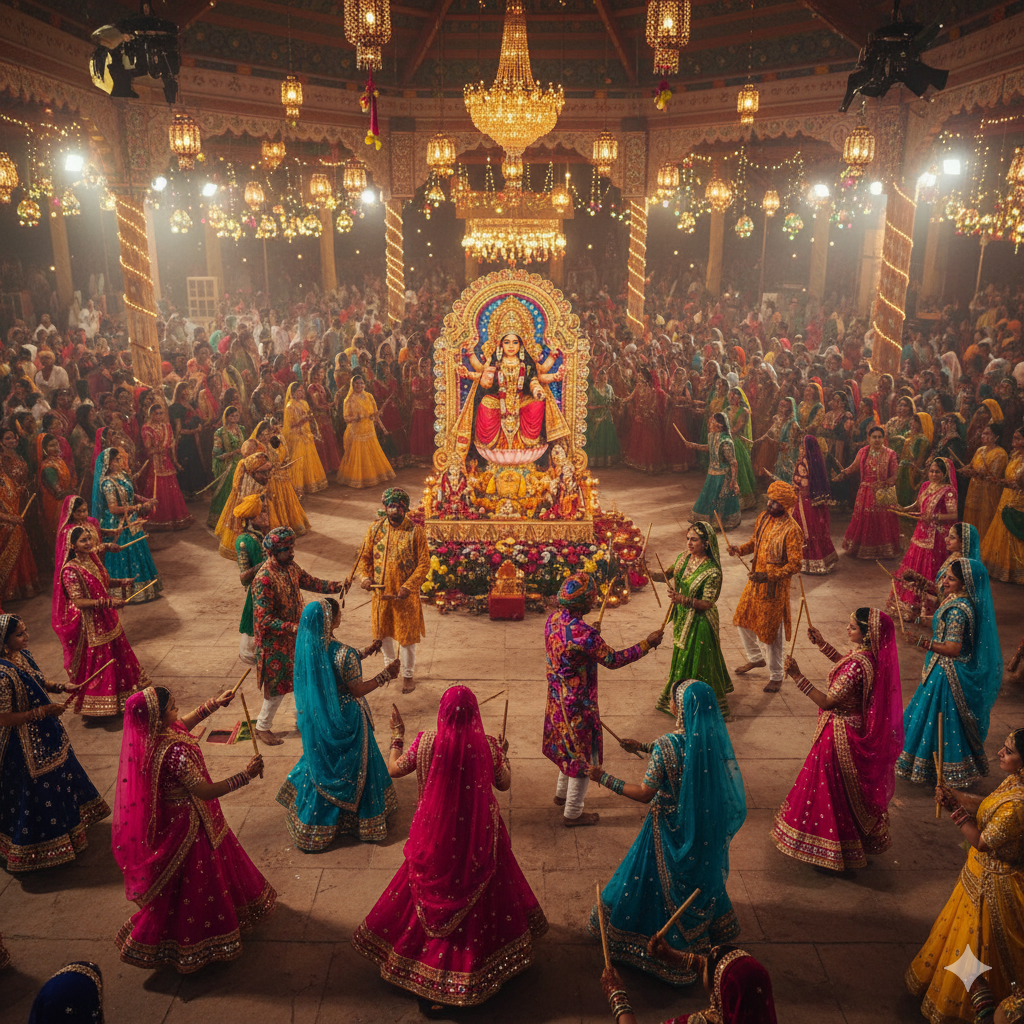
Navratri, meaning “nine nights,” is one of the most auspicious and vibrant Hindu festivals, dedicated to the worship of Goddess Durga and her nine divine forms. Spanning nine nights and ten days, this period is a profound journey of spiritual cleansing, devotion, and celebration, culminating in the triumph of good over evil. For those observing Navratri, understanding the traditional dos and don’ts is crucial to fully embrace the sanctity and transformative power of this sacred time.
The Essence of Navratri Observance
Beyond the colorful dances and festive gatherings, Navratri is fundamentally a period of introspection and purification. Devotees endeavor to align their physical, mental, and spiritual selves with the divine energy of the Mother Goddess. This alignment is achieved through specific practices and abstinences designed to foster a sattvic (pure) state of being.
The Dos: Embracing Purity and Devotion
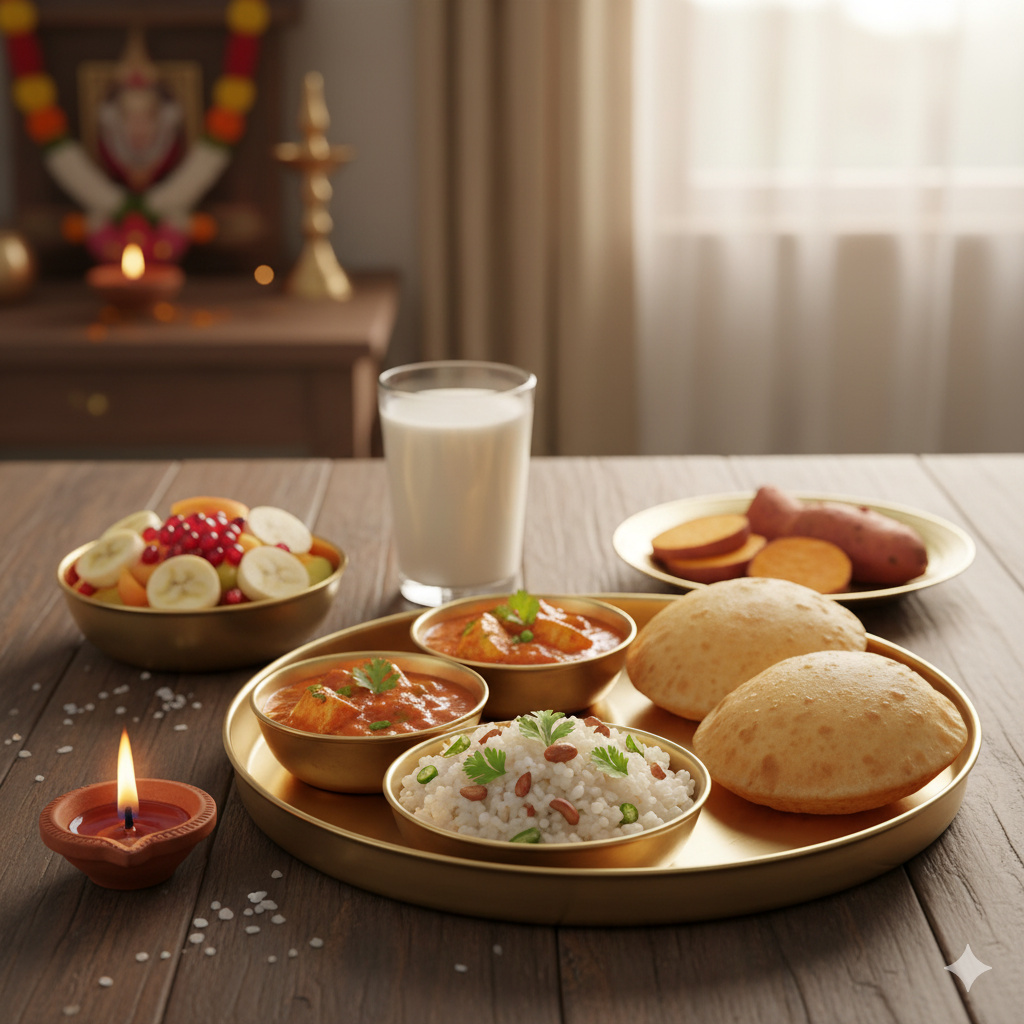
- Embrace Fasting (Vrat): The cornerstone of Navratri observance for many is fasting. This isn’t just about abstaining from food; it’s a practice of self-discipline and an offering to the Goddess. Typically, devotees avoid grains (wheat, rice), lentils, and common table salt. Instead, meals consist of fruits, dairy products (milk, yogurt, paneer), potatoes, and specific flours like kuttu (buckwheat), singhara (water chestnut), and sabudana (tapioca pearls). The aim is to consume light, pure foods that aid in detoxification and enhance spiritual focus.
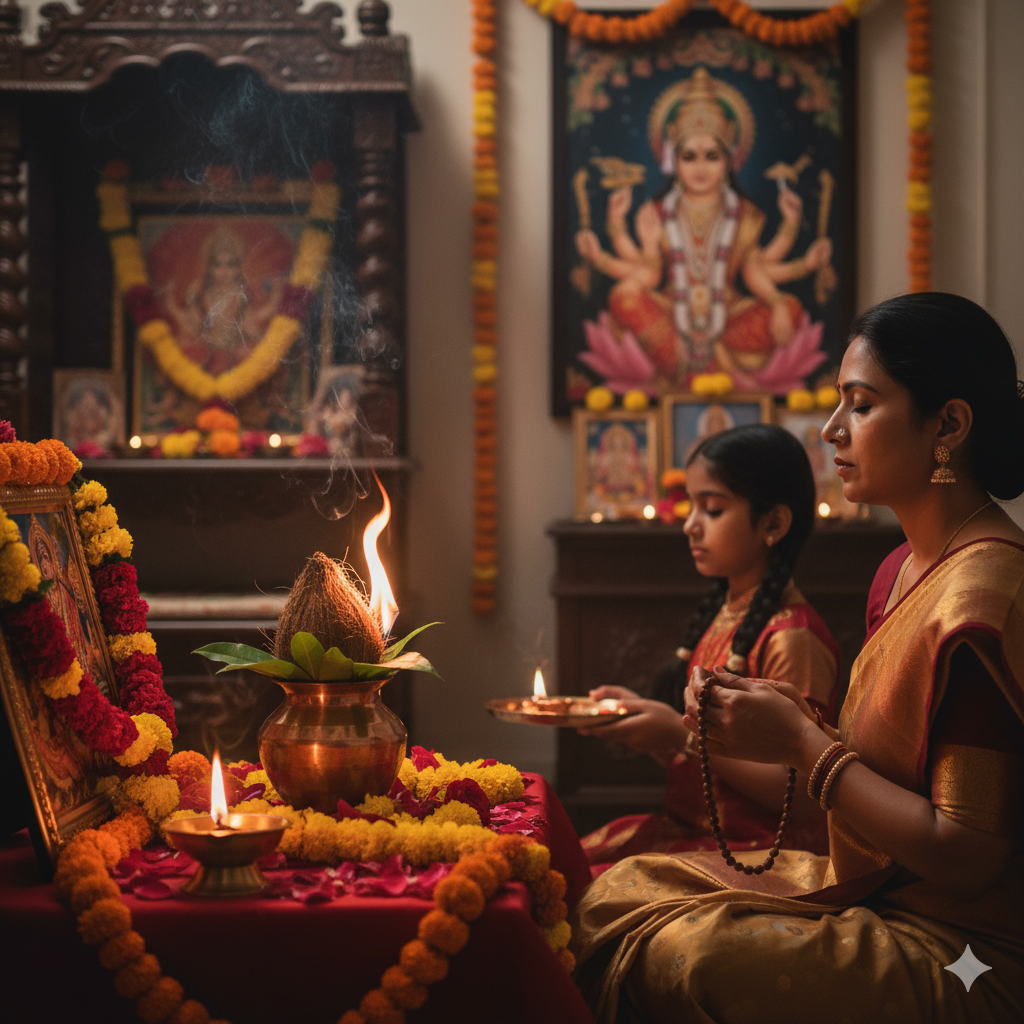
- Dedicated Worship and Prayer (Puja and Aarti): Each of the nine nights is dedicated to a specific manifestation of Goddess Durga. It is customary to perform daily puja (worship) in the morning and evening. Lighting a diya (oil lamp) symbolizes the dispelling of darkness and ignorance. Chanting mantras, reciting devotional songs (bhajans), and performing aarti (a ritual of light) are powerful ways to connect with the divine energy and seek blessings. Many also establish a ghat sthapana (pot installation) at the beginning of Navratri, symbolizing fertility and prosperity.
- Maintain Purity and Cleanliness: A clean body and home are considered essential for inviting positive energy. Homes are thoroughly cleaned before Navratri, and devotees are encouraged to take daily baths and wear fresh, clean clothes. This external cleanliness reflects an internal state of purity that is vital for spiritual practices.
- Practice Self-Discipline and Positivity: Navratri is an opportune time to cultivate self-control over one’s senses and emotions. Avoid negative thoughts, anger, gossip, and arguments. Focus on kindness, compassion, and gratitude. Engaging in meditation and spiritual reading can further enhance this positive mental state.
- Participate in Garba and Dandiya Raas: Especially prominent in Gujarat, Garba and Dandiya Raas are vibrant folk dances performed with immense enthusiasm. These communal dances, often performed in circles around a centrally placed idol of the Goddess, are not merely entertainment but a celebratory expression of devotion and community spirit.

The Don’ts: Abstaining for Spiritual Growth
- Strictly Avoid Non-Vegetarian Food, Onions, and Garlic: This is perhaps the most widely observed “don’t.” Non-vegetarian food, along with onions and garlic, are considered tamasic (foods that induce lethargy and negativity) and are strictly prohibited during Navratri. The goal is to keep the body and mind light and pure for spiritual practices.
- No Alcohol, Smoking, or Tobacco: Intoxicants are strictly forbidden during this holy period. These substances are believed to hinder spiritual progress and deviate one from the path of devotion and purity.
- Refrain from Common Salt (If Fasting): For those observing a fast, regular iodized salt is avoided. Instead, sendha namak (rock salt), a purer form of salt, is used in preparing permitted meals.
- Avoid Hair Cutting, Shaving, and Nail Trimming: Many devotees abstain from cutting their hair, shaving, or trimming nails during the nine days of Navratri. This practice is rooted in beliefs about preserving one’s energy and maintaining a state of purity.
- Steer Clear of Leather Products: As leather is derived from animal hide, many devout individuals choose to avoid wearing leather belts, shoes, or carrying leather bags during Navratri as a mark of respect for all life.
- No Negative Actions or Thoughts: Beyond physical restrictions, the “don’ts” extend to mental and emotional conduct. Engaging in lying, cheating, backbiting, or harboring resentment goes against the spirit of Navratri. The focus should be on cultivating peace and compassion.
- Avoid Sleeping During Aarti Time: It is considered disrespectful to sleep during the scheduled aarti (evening prayer) time at home or in the temple. This is a crucial moment of communal worship and energy exchange.
Conclusion
Navratri offers a powerful opportunity for spiritual rejuvenation and a deeper connection with the divine feminine energy. By consciously adhering to these traditional dos and don’ts, devotees can create a sacred environment, both within themselves and in their surroundings, allowing them to fully embrace the blessings and profound significance of this auspicious festival. May your Navratri be filled with peace, prosperity, and devotion!














+ There are no comments
Add yours