





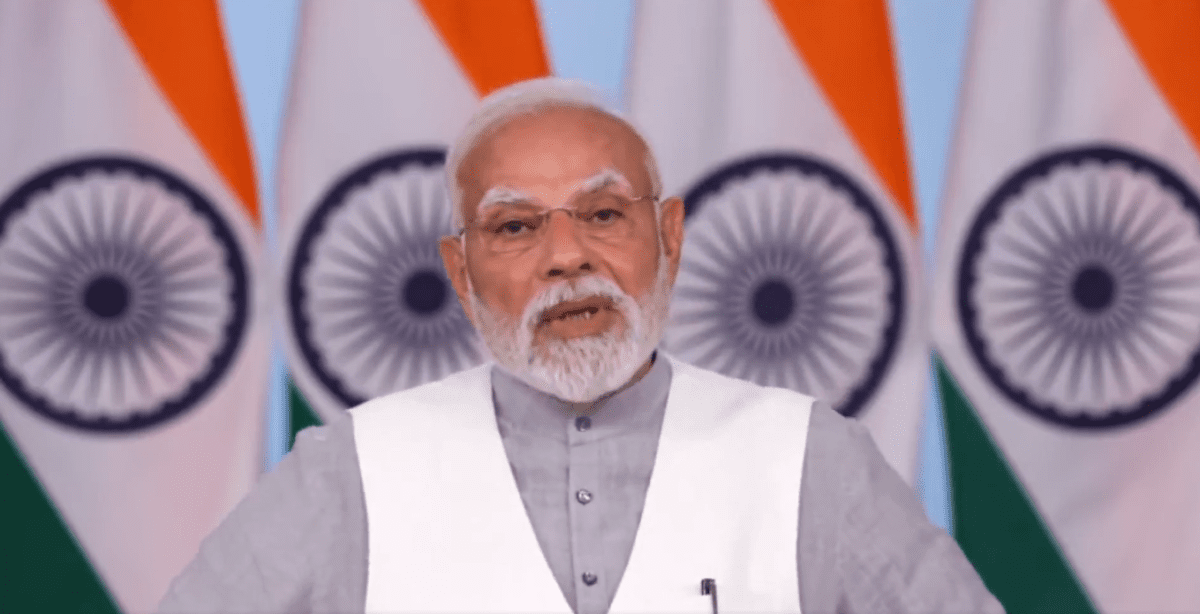
Prime Minister Shri Narendra Modi delivered a nationwide address via video conferencing, extending warm Navratri greetings to all citizens on the occasion of the festival celebrating Shakti. He announced that starting at sunrise on September 22, India will roll out transformative Next Generation GST reforms, heralding the launch of a nationwide GST Bachat Utsav (Savings Festival). The Prime Minister emphasized that this initiative will boost savings, making it easier for people to afford their desired goods, bringing joy to households during the festive season. He highlighted that the benefits will extend to the poor, middle class, neo-middle class, youth, farmers, women, traders, shopkeepers, and entrepreneurs, fostering widespread prosperity.
Reflecting on the historic GST reforms of 2017, Shri Modi recalled how they marked a turning point in India’s economic landscape, replacing a convoluted system of taxes like Octroi, Entry Tax, Sales Tax, Excise, VAT, and Service Tax. He described the pre-2017 era as a time when businesses and citizens faced immense challenges, with goods transport requiring navigation through multiple checkpoints, endless paperwork, and varying tax regulations across regions. Sharing a personal anecdote from 2014, when he took office, he cited a foreign news report about a company finding it easier to ship goods from Bengaluru to Europe and back to Hyderabad than directly between the two Indian cities, a mere 570 kilometers apart. This, he noted, exemplified the inefficiencies caused by the complex tax regime, which burdened businesses and ultimately raised costs for consumers.
Shri Modi stressed that eliminating such tax complexities was critical for national progress. Upon assuming office in 2014, his government prioritized GST reform, engaging in extensive consultations with stakeholders, addressing state concerns, and forging consensus. This collaborative effort between the Centre and states dismantled the web of multiple taxes, establishing a unified One Nation-One Tax system, a landmark achievement in India’s economic history.
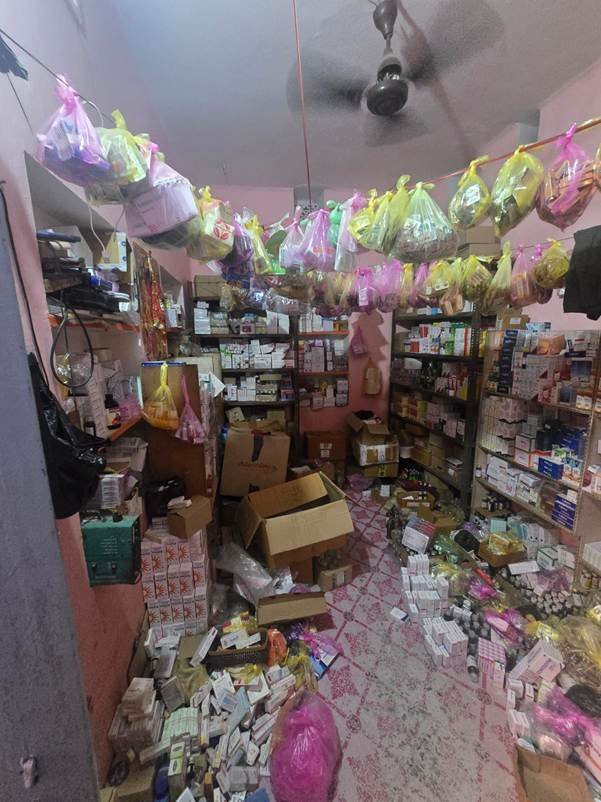
The Prime Minister underscored that reforms must evolve with changing times and national aspirations. The Next Generation GST reforms, tailored to current and future needs, streamline the tax structure to primarily two slabs—5% and 18%—making everyday essentials more affordable. Items like food, medicines, soap, toothbrushes, toothpaste, and health and life insurance will either be tax-free or taxed at 5%. Notably, 99% of items previously in the 12% bracket have been shifted to the 5% slab, significantly reducing costs for consumers.
Highlighting the rise of India’s neo-middle class—25 crore people who have escaped poverty over the past decade—Shri Modi noted their growing aspirations. He pointed out that recent income tax relief, exempting income up to ₹12 lakh, combined with these GST reductions, offers a dual benefit to the poor and neo-middle class. These measures will make dreams like owning a home, buying appliances, or purchasing vehicles more achievable, while also lowering travel costs with reduced GST on most hotel stays. The Prime Minister praised shopkeepers for embracing the reforms, displaying price comparison boards to highlight savings and actively passing benefits to customers.
Shri Modi emphasized that the Nagarik Devobhava ethos underpins these reforms, with combined tax reliefs saving Indians over ₹2.5 lakh crore in the past year, truly embodying the spirit of a Bachat Utsav. He reiterated that self-reliance is key to achieving a developed India by 2047, with MSMEs, small-scale industries, and cottage enterprises playing a pivotal role. The simplified GST structure and reduced rates will boost MSME sales and ease their tax burden, fostering growth. He recalled India’s historical global reputation for superior manufacturing and urged small industries to produce world-class products to reclaim that legacy, enhancing India’s global identity.
Drawing parallels with the Swadeshi movement that fueled India’s freedom struggle, Shri Modi called for a renewed commitment to Swadeshi to drive prosperity. He urged citizens to prioritize Made-in-India products, noting how many foreign goods, like combs, have crept into daily life unnoticed. He encouraged households and shops to embrace Swadeshi, with every Indian proudly declaring, “I buy Swadeshi, I sell Swadeshi.” This mindset, he said, will accelerate national development.
The Prime Minister appealed to state governments to champion the Aatmanirbhar Bharat and Swadeshi campaigns by promoting local manufacturing and creating investor-friendly environments. He affirmed that unified efforts between the Centre and states will realize the vision of a self-reliant, developed India. Concluding his address, Shri Modi extended heartfelt wishes for a joyous GST Bachat Utsav and a blessed Navratri.







+ There are no comments
Add yours