







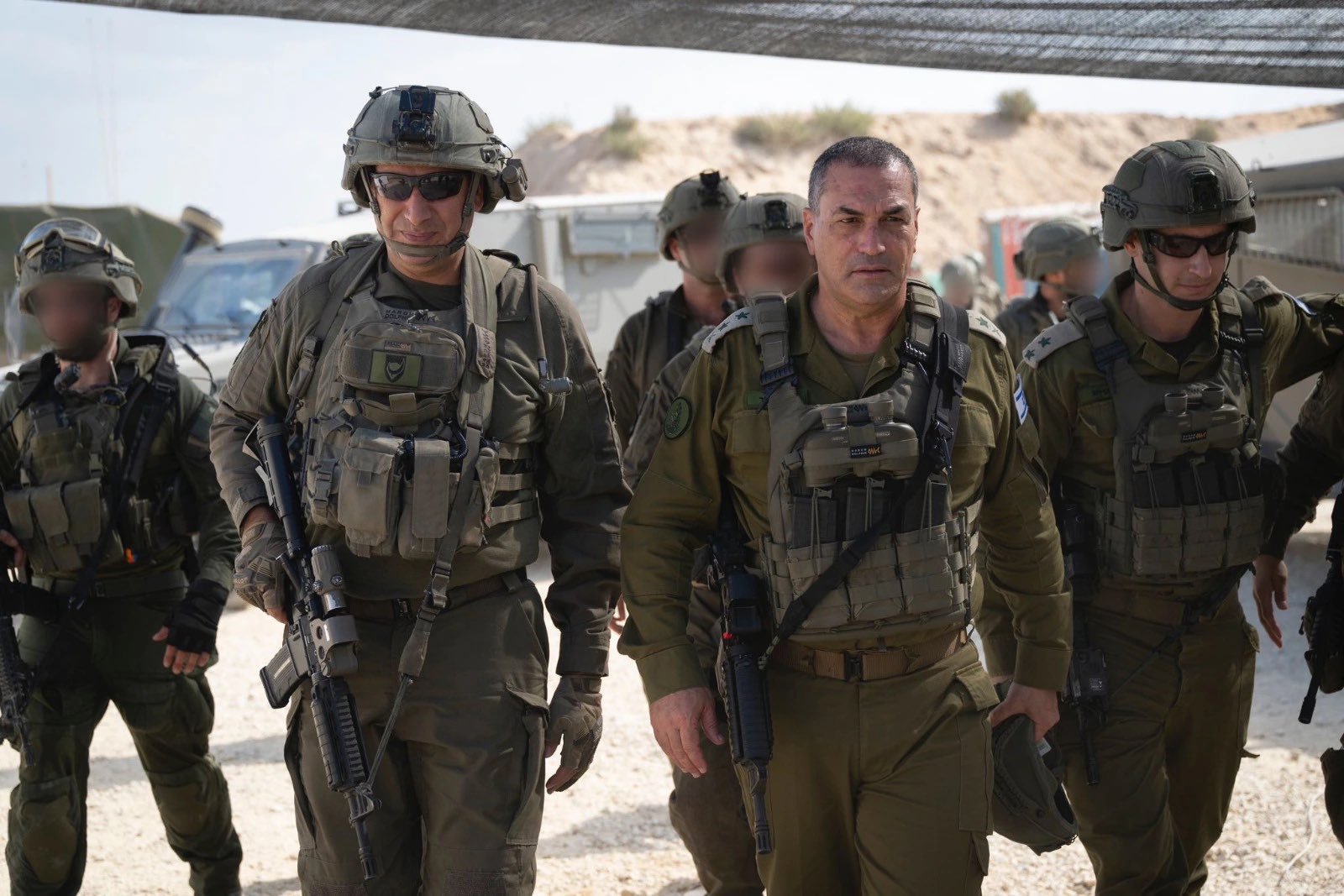
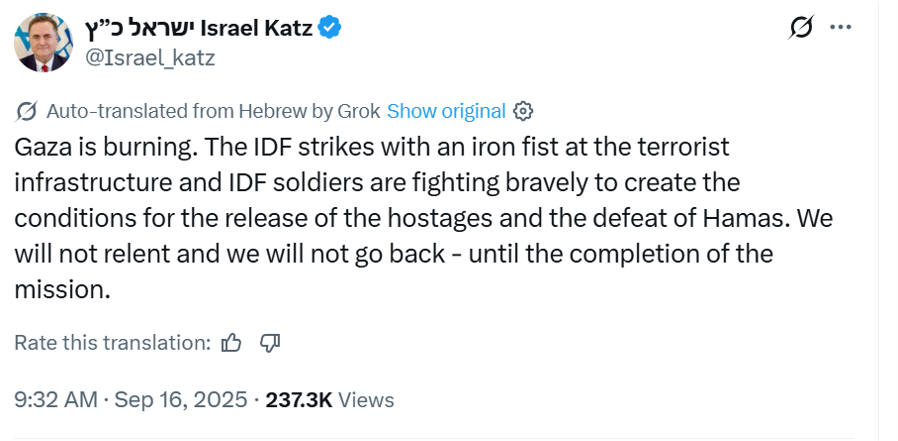
As of September 21, 2025, Israel’s military operations in Gaza City have intensified dramatically over the past week, marking one of the most severe phases of the ongoing Gaza war that began in October 2023. The Israeli Defense Forces (IDF) launched a major ground invasion on September 16, following weeks of heavy aerial bombardments, with the stated aim of dismantling Hamas infrastructure and preventing the group from regrouping. Israeli Defense Minister Israel Katz declared “Gaza is burning” during the operation’s kickoff, underscoring the scale of the assault. This escalation has drawn widespread international condemnation, including accusations of genocide from UN bodies, and has forced hundreds of thousands of Palestinians to flee southward amid reports of systematic destruction.
Key Developments
- Ground Offensive Launch: On September 15-16, Israeli tanks, armored vehicles, and troops from three divisions advanced into densely populated neighborhoods like Sheikh Radwan, Tel al-Hawa, and Shuja’iyya. The IDF reported striking over 850 targets in the preceding week, including residential towers, mosques, schools, and roads. Satellite imagery shows Israeli vehicles encircling much of the city, effectively “sandwiching” remaining civilians.
- Casualties and Humanitarian Crisis: Gaza health authorities report over 65,000 Palestinian deaths since the war’s start, with nearly half being women and children, and more than 166,000 injured. In the latest assault, at least 60-91 people were killed on September 16 alone, including dozens in strikes on escape routes and tents sheltering displaced families. Two children died in a tent strike on September 20. The city, already ravaged by famine, faces acute shortages of medical supplies, with hospitals like Al-Shifa overwhelmed.
- Mass Displacement: The IDF estimates 350,000-480,000 residents have fled Gaza City since early September, though Palestinian sources cite around 450,000. Evacuation orders have displaced tens of thousands multiple times, with many heading to central areas like Nuseirat camp. Reports describe “total devastation,” with bulldozers razing entire neighborhoods, erasing “memories” as one resident told Reuters.
- Hamas Response: Hamas and allies like the Palestinian Islamic Jihad (PIJ) have reported capturing Israeli drones and relocating hostages to urban combat zones to deter the advance. A video released on September 5 showed two hostages in Gaza City. Hamas insists it won’t disarm without a Palestinian state.
Broader Context
This offensive, codenamed Operation Gideon’s Chariots II, builds on prior phases like the Rafah and Khan Yunis campaigns. Israel argues it’s necessary to eradicate Hamas after the group’s October 7, 2023, attacks that killed 1,200 Israelis and took 250 hostages (about 100 remain). Critics, including Palestinian analysts, see it as “demographic engineering” for permanent displacement. Previous ceasefires in November 2023 and January 2025 collapsed, with the latest breaking in March 2025. Israeli officials like Finance Minister Bezalel Smotrich have called the destruction a “real estate bonanza” for future rebuilding.
Diplomatic efforts appear stalled, with Guterres seeking meetings with Israeli PM Benjamin Netanyahu and U.S. President Donald Trump at the UN General Assembly. The war’s carbon footprint alone could exceed the annual emissions of 135 countries, per recent estimates.














+ There are no comments
Add yours