







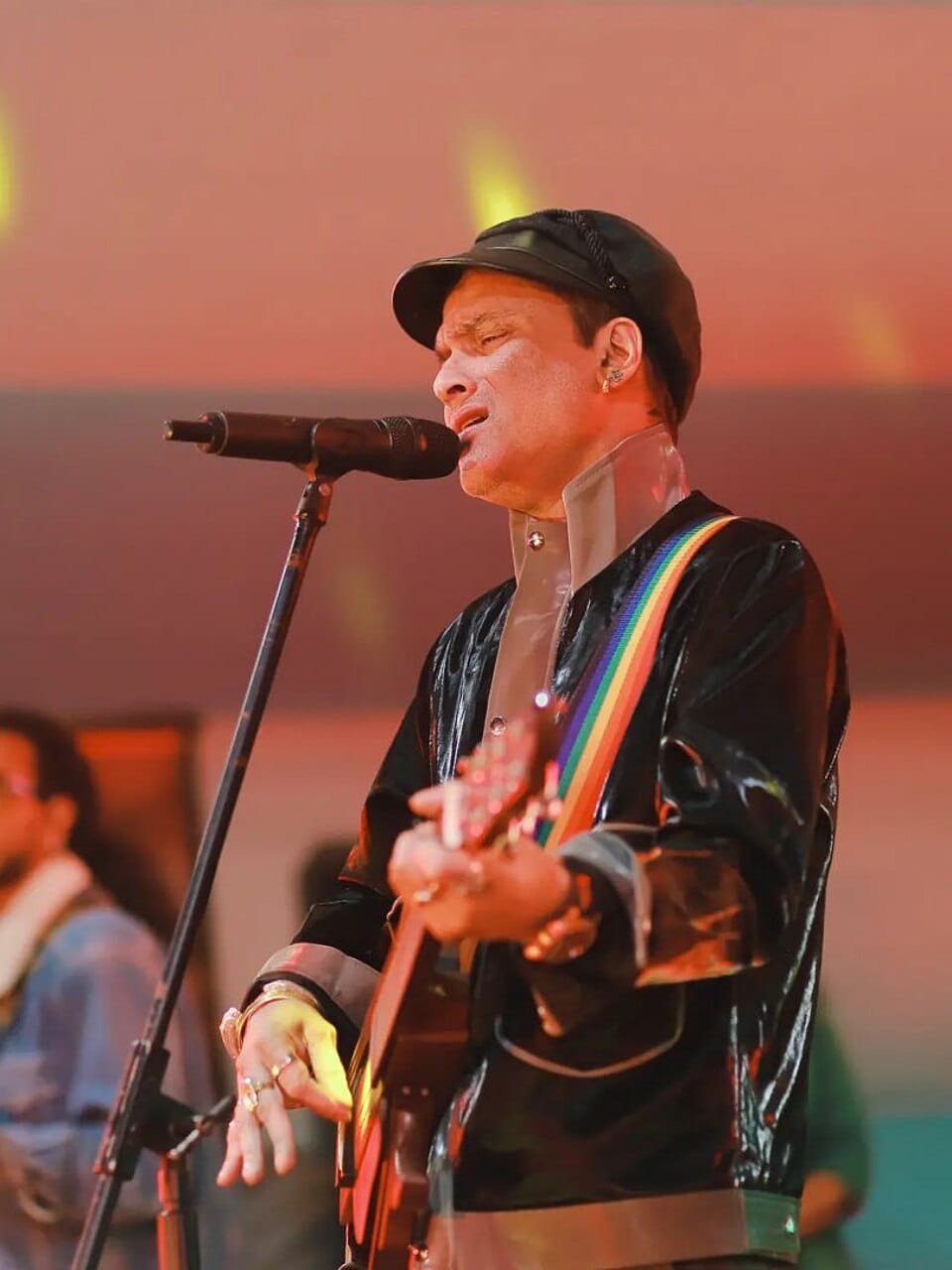
In the shimmering waters off Singapore’s coast, where azure depths promised adventure, the voice of Assam fell silent forever. On September 19, 2025, Zubeen Garg, the soul-stirring singer whose melodies bridged hearts across India, met a heartbreaking end at 52 during a scuba diving excursion. He was there as the cultural ambassador for the North East India Festival, set to enchant audiences on September 20-21 with his signature blend of Assamese folk and Bollywood flair. What began as a leisurely sea outing turned fatal when Garg experienced sudden breathing difficulties mid-dive. Rescued by alert Singapore police, he received immediate CPR and was rushed to Singapore General Hospital’s ICU. Despite valiant medical efforts, doctors pronounced him dead at 2:40 p.m. IST, succumbing to the merciless grip of the ocean.
Born Zubeen Borthakur on November 18, 1972, in Tinsukia, Assam, Garg was more than a musician; he was the heartbeat of a region. Debuting with the album Anamika in 1992 at just 19, he wove his way into the nation’s consciousness with hits like “Ya Ali” from Gangster (2006), a Sufi rock anthem that propelled him to pan-Indian fame. His discography, spanning over 40 languages, included Assamese gems like “Bohag Bihu” and Bollywood tracks such as “Dil Tu Hi Bata” from Krrish 3. Garg’s voice wasn’t just sound—it was rebellion, romance, and resilience, echoing the raw spirit of Northeast India. He composed, directed films like Mission China (2017), and championed social causes, from anti-drug campaigns to environmental pleas. Married to fashion designer and producer Garima Saikia since 2002, and father to son Gautam, Garg’s personal life mirrored his art: grounded yet soaring.
The news rippled like a dirge across Assam and beyond. Chief Minister Himanta Biswa Sarma, voice cracking in grief, tweeted, “Today Assam lost one of its favourite sons… Zubeen’s voice had an unmatched ability to energise people and his music spoke directly to our minds and souls.” Health Minister Ashok Singhal lamented, “Assam has lost not just a voice, but a heartbeat.” Bollywood’s Vishal Dadlani and Armaan Malik led tributes, with actor Adil Hussain calling his contributions “extraordinary.
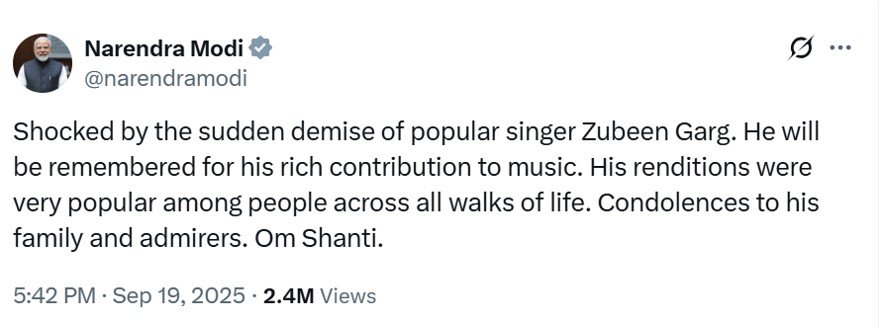
Even Prime Minister Narendra Modi expressed shock, hailing Garg as a “cultural icon.” In a poignant gesture, Assam postponed school half-yearly exams until after his cremation, a testament to his pervasive influence.
Garg’s death evokes eerie echoes of personal tragedy—his sister Jonkey Borthakur perished in a 2002 car crash, a loss that scarred him deeply and infused his songs with profound melancholy. Videos circulating online capture his final moments: joyfully leaping from a yacht, life jacket donned, only to remove it for a second plunge, emerging lifeless. Whispers of prior health concerns fuel calls for a CBI probe, questioning if organizers ignored red flags by whisking him abroad.
Yet, in this void, Zubeen’s legacy endures. He once quipped he’d like “Ya Ali” played at his farewell—a fitting requiem for a man who turned pain into poetry. Assam weeps, but his tunes will dance eternally, reminding us that true artists never truly drown; they resurface in every hummed refrain. Rest in rhythm, Zubeen Da. The world is dimmer without your spark.
(Word count: 312)













+ There are no comments
Add yours