







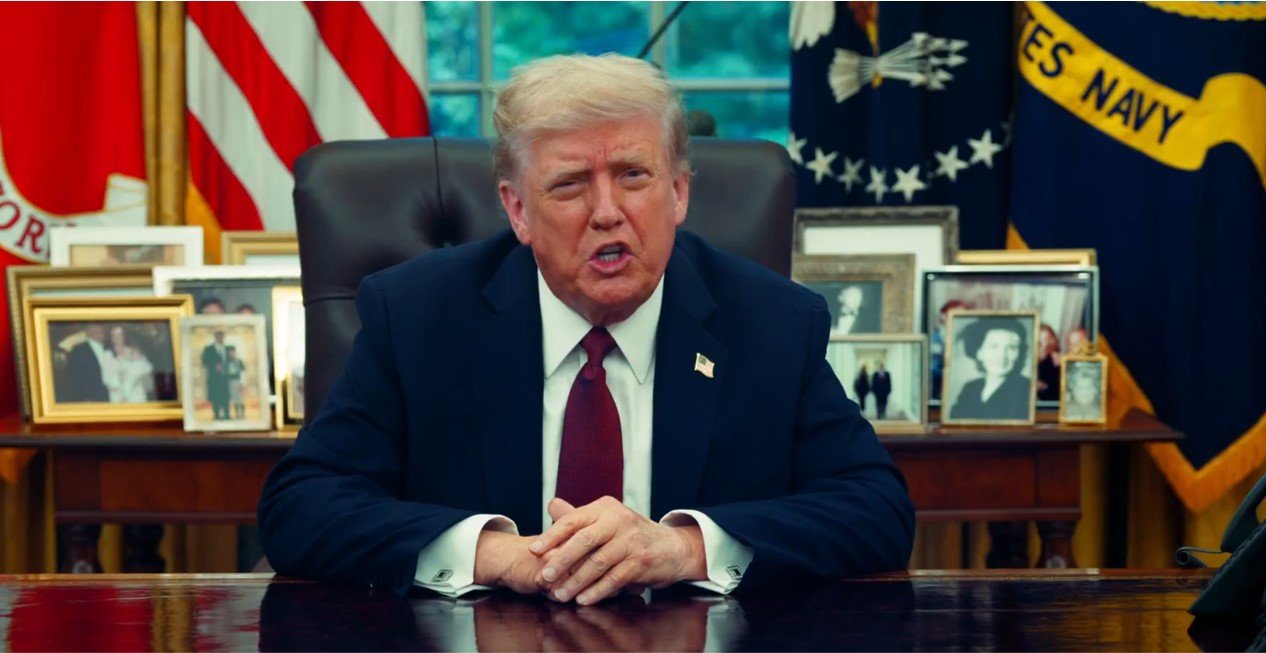
In a bold move that has sent shockwaves through global tech corridors, President Donald Trump signed a proclamation on September 19, 2025, slapping a staggering $100,000 annual fee on H-1B visa applications. Effective just 48 hours later on September 21, this policy overhaul targets what the administration deems “abuse” of the program by outsourcing giants, aiming to protect American jobs. But for India, which dominates the H-1B landscape with over 70% of approvals, the implications are profound and potentially devastating. As the world’s largest supplier of skilled IT talent, India stands to lose billions in remittances, face corporate upheavals, and witness a talent exodus reversal—all amid strengthening U.S.-India ties under PM Narendra Modi.
The H-1B visa, capped at 85,000 annually, has long been a gateway for Indian professionals in software engineering, data science, and AI. In 2024 alone, Indian nationals secured more than 60,000 visas, fueling Silicon Valley’s innovation engine. Now, employers must foot the $100,000 bill per visa—potentially $300,000 over a three-year term—clarified by Commerce Secretary Howard Lutnick as an annual charge. This dwarfs the previous fees of $1,700–$4,500, making sponsorships for mid-level roles unviable. Renewals and re-entries remain murky, risking stranding thousands of Indian workers abroad during job switches or family visits.
For Indian IT aspirants, the fee erects an insurmountable barrier. With 1.5 million STEM graduates entering the workforce yearly, many eyed H-1B as a ticket to global opportunities. Analysts predict a 50% plunge in Indian approvals, pushing talent toward alternatives like Canada’s Express Entry or the EU’s Blue Card. This could exacerbate unemployment in tech hubs like Bengaluru and Hyderabad, where H-1B dreams drive education and upskilling. Remittances, exceeding $100 billion annually from the U.S., form a lifeline for rural economies in states like Punjab and Kerala. A projected 30% migration drop might slash this by $6-8 billion, hitting household incomes and foreign exchange reserves.
Indian outsourcing behemoths—TCS, Infosys, Wipro, and Cognizant—face the brunt. These firms, deriving 50-70% of U.S. revenue via H-1B staff, could see costs skyrocket. Sponsoring 5,000 workers might add $500 million yearly, eroding profit margins of 20-25%. Stock markets reacted swiftly: Infosys and Wipro ADRs dipped 3-5% post-announcement, signaling investor jitters. To cope, companies may ramp up offshoring, expanding Global Capability Centers in India, but this risks client pushback over time zones and collaboration. Some executives whisper of pivoting to AI-driven automation to reduce visa dependency, potentially displacing even domestic jobs.
Broader economic ripples extend to India’s startup ecosystem. Indian-founded U.S. unicorns, often reliant on H-1B hires, may stall expansions, while the infamous green card backlog—stretching 6-10 years for Indians—worsens. Diplomatically, the policy strains relations, though no official Indian response has emerged yet. Experts anticipate high-level talks, perhaps leveraging QUAD alliances to negotiate exemptions for strategic sectors like defense tech.
Yet, silver linings exist. The fee could catalyze India’s domestic innovation, boosting IT exports already at $200 billion in 2024. U.S. firms might invest more in Indian training, fostering self-reliance. Legal challenges loom, with immigration groups questioning the fee’s legality beyond processing costs, potentially delaying enforcement via courts.
As USCIS refines rules by late September, India’s tech diaspora holds its breath. Trump’s “America First” stance may safeguard U.S. jobs, but at what cost to global talent flows? For India, this isn’t just policy—it’s a seismic shift reshaping dreams, dollars, and destinies.













+ There are no comments
Add yours